Illinois Plasma Institute
The Illinois Plasma Institute (IPI) is an initiative of the Grainger College of Engineering at the University of Illinois Urbana-Champaign. IPI’s founding was driven by a desire to rethink existing pathways to the commercialization of new technologies developed in academic research settings. Combining the best of both worlds, IPI provides a space where forward-thinking industrial partners can pair their own research and development staff with academic researchers closer to the underlying science behind a new technology. Working in concert on a shared platform, advances made it the laboratory may be implemented onto production-level equipment shortening the time to adoption in high-volume manufacturing.
Complementary to cooperation in the lab, assignees from industrial partners also find easy access to the College’s Masters of Engineering in Plasma Engineering, a professional Master’s program designed to prepare workers from a wide variety of technical fields for the unique opportunities that plasma processing has to offer.
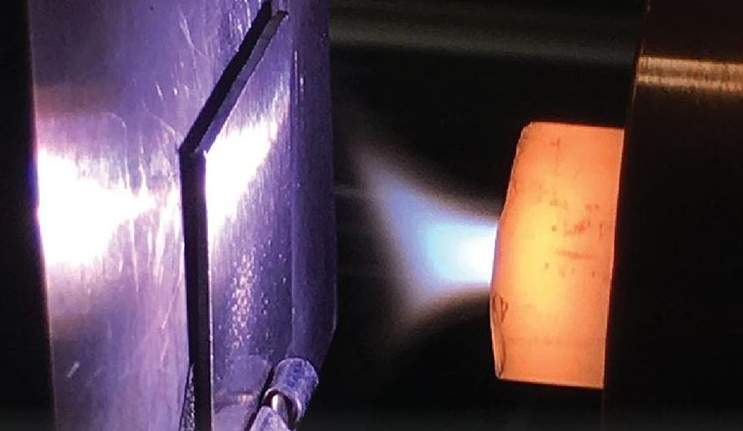
Research

Publications
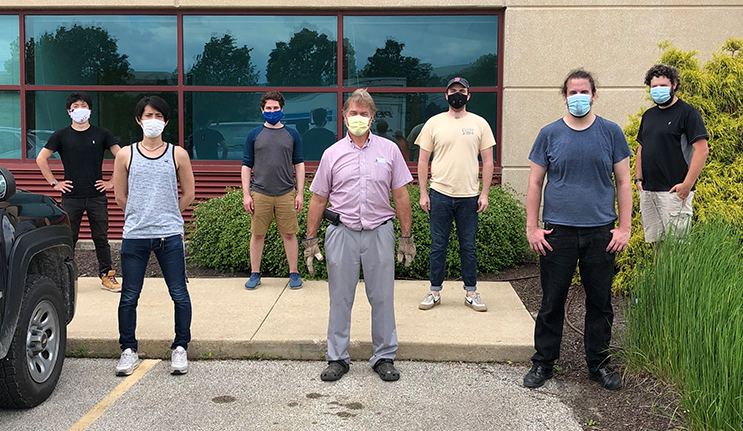
People
Master of Engineering in Plasma Engineering
Click here to learn more
This non-thesis, 32-credit hour M.Eng. program provides an in-depth education in plasma processing, plasma technology, and plasma science. This masterʼs degree in Plasma Engineering is specifically designed for students looking to enter the industry upon graduation. The detailed curriculum, real-world experience, and laboratory experiences provided by this program equip graduates with the knowledge to utilize, understand, and innovate plasma-related applications delivering highly marketable skills that are in demand by employers across various industries.